Dead Gowns and the quiet work of growing up
It was colder than I expected when I stepped out work and into the parking lot. The kind of cold that wakes you up instead of weighing you down. The door shut behind me and the noise dropped off all at once, then just the hum of traffic somewhere beyond the lot and a loose napkin tumbling past my feet. I sat in the driver’s seat for a minute, not for any reason in particular, I just enjoy that small pocket of calmness before heading home. The radio kicked on to a voice talking about nothing in particular while I wrestled for the aux cord. I pressed play on It’s Summer, I Love You, and I’m Surrounded by Snow not really knowing where it would take me. The title alone feels like standing in two seasons at once. Heat and blizzard. Wanting and restraint.
“How Can I” does not rush you. It feels like someone thinking out loud without trying to win the argument. That question lives in the space between intention and action. Between saying you will do better tomorrow and knowing tomorrow always shows up faster than expected. What I like about it is that it does not wallow. It just admits the gap. There is something steady in that honesty, it’s not overtly heavy, just real.
Driving home, the windshield caught the sunset in clean intervals. The record settled in the same way. Not dramatic, just consistent. “Wet Dog” circles its tension without turning it into a spectacle. Counting steps, ferris wheels, staying tethered even when things feel a little off balance. It is vulnerable, but it is not fragile. The loyalty in it isn’t desperate, it feels like someone staying because they want to not because they don’t know how to leave.
“Kid 1” surprised me in a good way. It is not trying to go backward, it’s checking in. The swans, the grandmother, that quiet decade crisis that hits when you realize time did not ask permission before moving on. It feels less like mourning and more like reconnecting, like remembering that the kid you were is not gone, they are just layered underneath everything else you have built. “Burnout” sits right next to that realization, but it looks in the opposite direction. Instead of digging through the past, it watches what gets passed forward. The song circles around that quiet kind of exhaustion that families sometimes carry without noticing. Habits, expectations, that feeling that you’re supposed to hold more than you probably should. There’s love inside the song, you can hear it. But there’s also a small moment of recognition, like someone pausing long enough to notice how heavy the load has become. What keeps the track grounded is that it never tips into panic. It just lets the weight sit there for a second. “Brother” carries similar energy. The lake invitation, the shift from ocean to something calmer. The line about wishing you had held him then because you cannot now. It’s honest about regret, but it also feels like an open hand. It sounds like maturity settling in, like a willingness to say there’s a chance we can still figure this out.
What keeps this album light on its feet is its restraint. Even when love goes sideways it does not explode. “It’s not love it’s a container. We watch it spill over”. That line from “Maladie” reads like clarity more than heartbreak. Sometimes naming something accurately is a relief, not every relationship needs to be tragic. Some just need to be understood and it takes time.
“In the Haze” handles grief with that same steady hand, placing you in hospital basements and waiting rooms where time moves strangely and answers never come fast enough. There’s a line about hope having a rough week, and it lands because it feels human instead of heroic. The song doesn’t dramatize loss or try to dress it up as transformation. It simply acknowledges that some things hurt and stay tender. That restraint makes the narrator more human and easier to trust. It doesn’t promise healing, it just stays in the room with you long enough that the silence feels shared instead of empty.
There is also humor and self awareness scattered throughout the record, and it keeps everything from feeling too heavy. “Bad Habit” understands exactly what it is describing, that loop you step into knowing full well how it ends, and it never pretends the narrator is innocent inside it. There is a quiet wink in the way it unfolds, not mocking the behavior but recognizing it. That recognition makes it feel lived in instead of judged. “Swimmer” carries that same awareness in a softer way. The urge to call is there, clear as day, but so is the discipline of not dialing. It captures that strange middle ground where you care enough to reach out but respect yourself enough to hold back. It is not about pride or coldness, It’s about understanding what reopening something would cost and deciding to stay steady. Then “See People” widens the lens a bit, admitting that living inside a phone can start to feel like living nowhere at all. The need to gather, to hear voices in the same physical space, feels less like commentary and more like confession. It avoids preaching and instead draws a soft line between contact and closeness, letting the silence do the rest.
What ties these songs together is the tone running underneath all of them. They observe without turning into lectures and admit things without collapsing under the weight of those admissions. That balance gives the whole record a quiet maturity. It feels aware that most of us already recognize our habits, our impulses, even the way we disappear into our phones, so it doesn’t waste time calling anyone out. Instead, it holds those patterns up gently and lets you see yourself in them. The result feels honest, and maybe even generous, because it trusts the listener to meet it halfway.
By the time “Sand Plumb” rolls in with that sensory detail, that whiff of peach and the instruction to hold on to something across seasons, the album feels grounded. So when the closer asks how to become water, how to open wide instead of closing up, it lands as possibility instead of collapse.
If I look back at the checklist I wrote for myself about making this reflective instead of journalistic, I realize this record does exactly that on its own. It doesn’t need a thesis. It needs space.
Pulling into my driveway, I didn’t feel wrecked, if anything I felt clear. Like I had just had a long, unguarded conversation with someone who wasn’t trying to impress me. I could see my girls playing in the living room through the window. The porch light flicked on as I stepped out of the truck.
Nothing dramatic shifted in my life during those forty minutes. I was not reborn. I wasn’t undone. I was just reminded that paying attention to the small things matters, sometimes there is nothing bigger.
And honestly, that is a pretty good reason to be happy to write about it.
Every time I sit down to write one of these I end up learning something new about myself I didn’t mean to uncover. I start out thinking I’m reviewing a record and somewhere along the way I’m remembering old versions of myself I hadn’t checked in on for years. Certain songs pull things back to the surface I didn’t realize I’d tucked away. It’s strange and kind of humbling to admit how long it took me to understand just how important music actually is to me. Not just as background noise or as a hobby, but as a mirror. As a way of measuring where I’ve been and where I’m heading. I guess part of me wishes I had figured that out sooner.
But maybe this is just how it was supposed to happen.
Slowly, one record at a time.
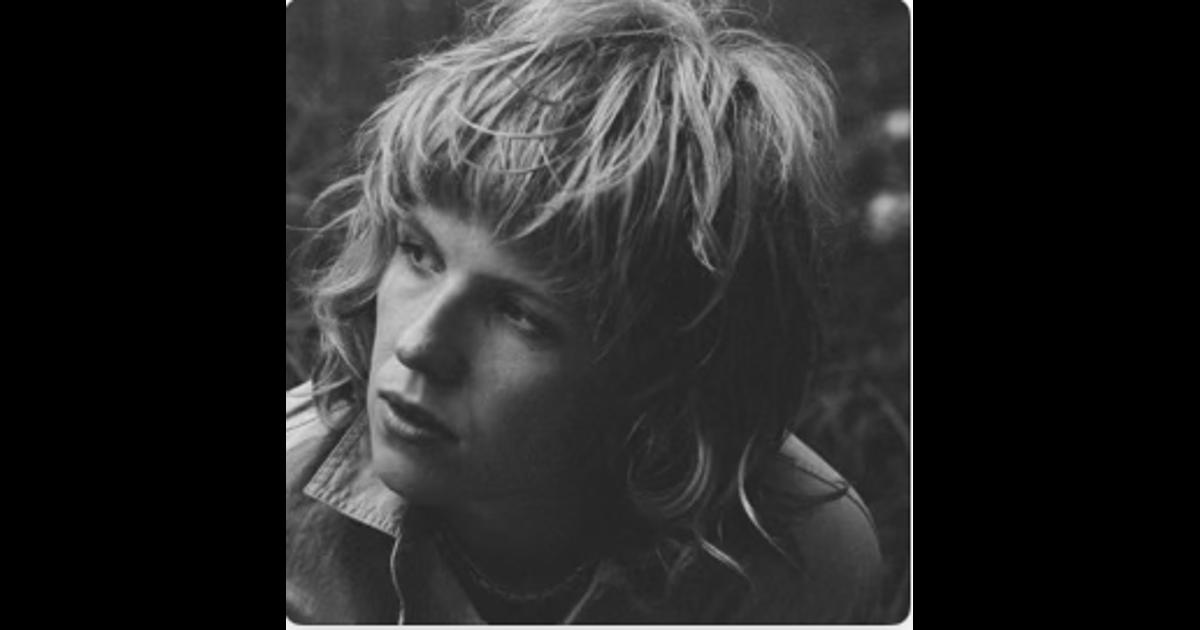
Genevieve is an incredibly talented songwriter and after diving into this record I truly can’t wait to see what else she has in store for the future. It looks like she hits the Rockwell in Somerville on April 23rd and you can be sure I will be there.
Leave a Reply